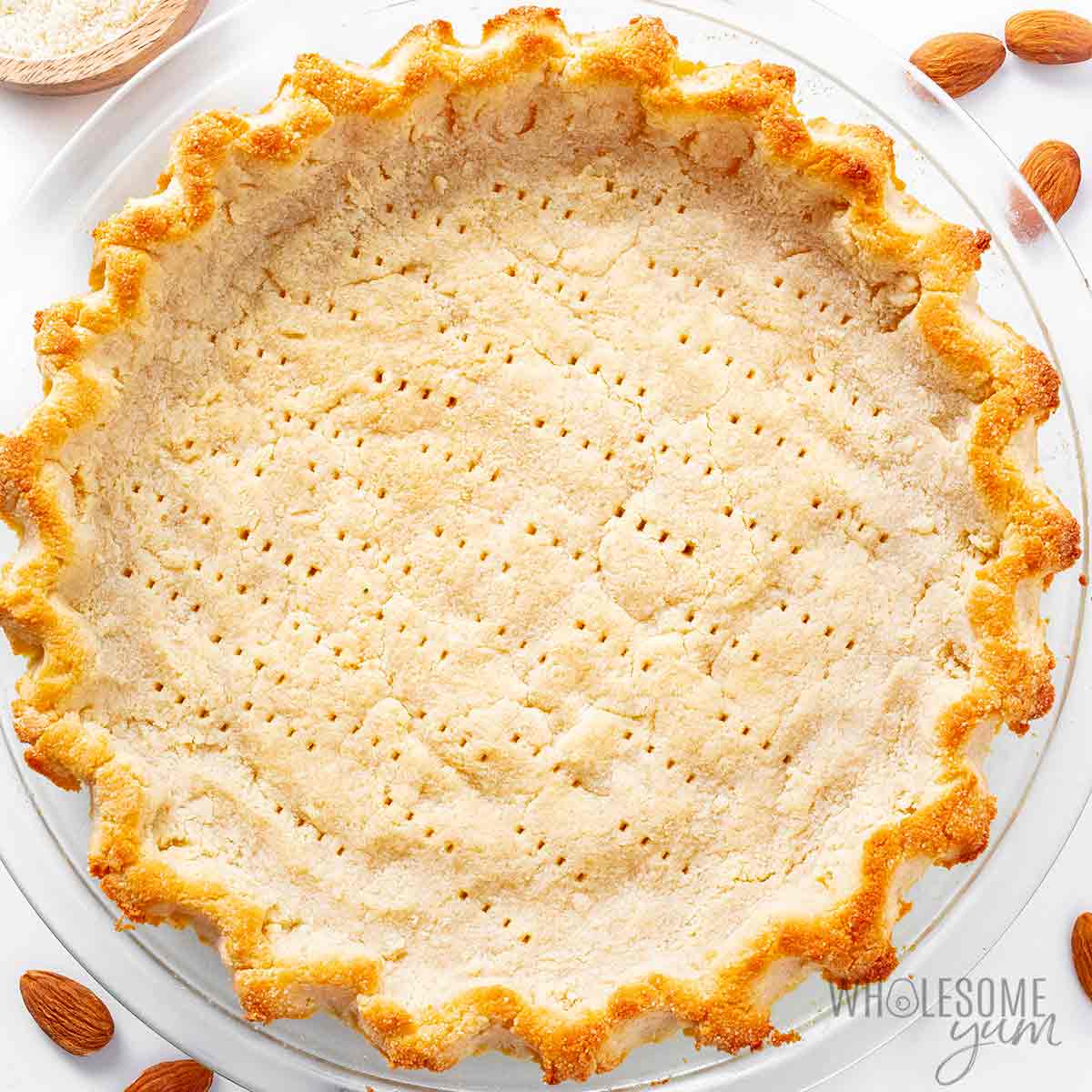
Ingredient Almond Flour Pie Crust: The Versatile Base for Any Pie or Quiche
Imagine a pie crust that’s not only incredibly delicious and satisfyingly buttery but also remarkably easy to make, forgiving to work with, and perfectly suited for a wide range of dietary needs. This isn't a baking fantasy – it's the reality of an
almond flour pie crust. A true game-changer in the kitchen, this versatile crust requires just a handful of ingredients and minimal fuss, promising a light, flaky foundation for everything from a classic apple pie to a savory quiche. If you've shied away from making homemade pie crusts due to complexity or dietary restrictions, prepare to have your world (and your pies!) transformed.
Why Almond Flour is Your Pie Crust Game-Changer
For many home bakers, the thought of making a pie crust from scratch can conjure images of temperamental dough, endless rolling, and the ever-present fear of a collapsed or soggy bottom. Traditional wheat-based crusts, while delicious, often demand precision and a knack for handling gluten. This is where the
almond flour pie crust truly shines, offering an experience that is both stress-free and superior in flavor and texture.
The Simplicity of a Press-In Crust
One of the most revolutionary aspects of an almond flour pie crust is its incredible ease of preparation. Forget the rolling pin, the flour-dusted countertops, and the anxiety of transferring a delicate dough without tearing it. This recipe is designed to be pressed directly into your pie dish. The dough, with its delightful, pliable texture reminiscent of play-dough, can be easily molded with your hands. If you happen to create a hole or an uneven spot, simply "smush" it back together and reform – it's incredibly forgiving. This "no-roll" method not only saves time but also eliminates much of the intimidation associated with traditional pie making, making it accessible even for novice bakers. For more on simplifying your baking, explore our
Easy Gluten-Free Almond Flour Pie Crust: No Rolling, Low Carb article.
Health-Conscious Baking Without Compromise
Beyond its user-friendly nature, the
almond flour pie crust is a fantastic choice for those navigating specific dietary requirements. Naturally gluten-free, it provides a safe and delicious option for individuals with celiac disease or gluten sensitivities. Furthermore, almond flour is inherently low in carbohydrates, making this crust an ideal base for keto or low-carb meal plans. Many recipes also boast dairy-free capabilities, often using butter alternatives or coconut oil, expanding its appeal even further. Eating healthier or avoiding allergens doesn't have to mean sacrificing delicious treats; in fact, this crust proves you can have the best of both worlds. The resulting texture is light and wonderfully buttery, with a subtle nutty flavor that complements an array of fillings without overpowering them.
Mastering the Five-Ingredient Almond Flour Pie Crust
The beauty of this pie crust lies in its simplicity. With just a handful of readily available ingredients, you can whip up a delectable base in minutes.
Essential Ingredients & Smart Swaps
A typical
almond flour pie crust recipe calls for:
- Fine Almond Flour: This is the star of the show. Ensure you're using *finely ground almond flour*, not almond meal, which has a coarser texture and will yield a crumbly, less sturdy crust (more on this distinction below).
- Sweetener: Often coconut sugar is used, which lends a subtle caramel note and is a popular choice in paleo recipes. However, feel free to substitute with brown sugar or white granulated sugar based on your preference or what you have on hand. For a strict low-carb option, erythritol or another granular sugar substitute can be used.
- Fat: Melted butter is common, providing that rich, buttery flavor. For dairy-free or vegan options, melted coconut oil or a plant-based butter substitute works wonderfully.
- Egg: Acts as a binder, helping to hold the crust together and contribute to its structure. While some recipes offer vegan alternatives, testing with flax eggs or other vegan egg substitutes can yield varied results, so always check specific recipe notes.
- Pinch of Salt: Essential for balancing the sweetness and enhancing the overall flavor.
Step-by-Step Perfection (No Rolling Required!)
- Combine Ingredients: In a single bowl, mix all the ingredients until they are thoroughly incorporated and form a cohesive dough. It should be pliable but not overly sticky.
- Prepare Dish: Lightly grease your pie dish to prevent sticking.
- Press into Pan: Transfer the dough to the prepared pie dish. Using your hands, firmly and evenly press the dough into the bottom and up the sides of the dish. Don't be afraid to use a little pressure to ensure an even thickness.
- Shape and Pierce: For a classic look, crimp and pinch the edges of the crust to create a decorative scalloped finish. Finally, use a fork to pierce holes in the bottom of the crust. This allows steam to escape during baking, preventing the crust from puffing up.
- Ready to Bake! At this point, your crust is ready for its initial bake (often called blind baking) or to be filled and baked as your recipe requires.
Versatility Beyond Your Wildest Pie Dreams
The adaptability of an
almond flour pie crust is truly one of its greatest assets. Its subtle flavor and sturdy yet tender texture make it a perfect companion for virtually any filling you can imagine.
Sweet Sensations: From Pumpkin to Pecan
This crust is a match made in heaven for classic dessert pies. Its delicate nuttiness pairs beautifully with:
- Pumpkin Pie: The subtle almond flavor wonderfully complements the warm spices of a traditional pumpkin filling.
- Pecan Pie: Enhances the rich, caramel notes of a pecan pie without adding excessive sweetness.
- Fruit Pies: From apple to berry, the light texture provides a fantastic contrast to juicy fruit fillings.
- Custard Pies: A perfect base for creamy lemon or coconut custards.
Savory Delights: The Quiche and Pot Pie Partner
Don't relegate your almond flour crust solely to dessert! It excels in savory applications, too:
- Quiches: An ideal base for any quiche, whether it's spinach and feta, Lorraine, or a roasted vegetable medley. It holds up well to the egg and cream filling, ensuring a sturdy slice every time.
- Savory Supper Pies: Think shepherd's pie, chicken pot pie, or even a hearty tomato and cheese tart. The crust provides a satisfying, wholesome foundation for your main course.
Pro Tips for an Impeccable Almond Flour Pie Crust
While the
almond flour pie crust is incredibly straightforward, a few expert tips can elevate your baking experience and ensure perfect results every time.
Make-Ahead & Freezing Solutions
Planning ahead is a breeze with this crust. You can prepare the dough and store it for later use:
- Refrigerate: After pressing the crust into your pie dish, wrap it tightly with plastic wrap and refrigerate overnight. This can save valuable time on baking day.
- Freeze Raw: For longer storage, wrap the pressed crust (in its pie dish) tightly in plastic wrap, then foil, and freeze for up to two months. Any longer, and the crust may dry out and become too fragile. Thaw in the refrigerator before baking.
- Freeze Pre-Baked: You can also blind bake the crust, let it cool completely, then wrap and freeze it. This is perfect for no-bake pies or when you need a quick head start.
Almond Flour vs. Almond Meal: A Crucial Distinction
This is a common point of confusion, but it's vital for a successful
almond flour pie crust.
- Almond Flour: Made from blanched (skinless) almonds, it is finely ground to a texture similar to wheat flour. This fine grind is essential for a sturdy, dense crumb that holds together well, making it suitable for larger ratios in recipes like this pie crust.
- Almond Meal: Made from whole (skin-on) almonds, it is coarser and has a more rustic texture. While great for adding flavor and texture in smaller quantities to certain baked goods, it will result in a much more crumbly and fragile pie crust that may not hold its shape.
Always ensure your recipe specifies "fine almond flour" for the best results.
Achieving the Perfect Bake
Baking an
almond flour pie crust is simple, but a few considerations ensure it turns out perfectly golden and crisp. For a truly foolproof approach, and options including paleo and vegan versions, check out our guide:
Foolproof Almond Flour Pie Crust: Paleo & Vegan-Friendly Option.
- Initial Bake (Blind Baking): If your pie filling requires a short bake time (under 20 minutes) or is a no-bake filling, blind bake the crust first. Bake for about 10-15 minutes at the temperature specified in your recipe until lightly golden. This prevents a soggy bottom.
- Protect the Edges: Almond flour tends to brown more quickly than wheat flour. If your pie requires an extended baking period (over 20 minutes), consider initially blind baking the crust for only about 10 minutes. Then, once you add your filling, keep an eye on the edges. If they start to brown too much, loosely cover them with strips of aluminum foil to prevent burning.
- Cooling: Allow the baked crust to cool completely before adding any filling, especially for liquid fillings, to prevent sogginess and ensure the crust sets properly.
Conclusion
The
almond flour pie crust is more than just a gluten-free alternative; it's a superior, user-friendly option that brings joy back to pie making. Its light, buttery texture, ease of preparation (no rolling!), and remarkable versatility for both sweet and savory fillings make it an indispensable recipe for any home baker. Whether you're a seasoned chef or a baking novice, or whether you adhere to a specific diet or simply seek a healthier, delicious option, this five-ingredient wonder promises a beautiful, sturdy, and flavorful base every single time. Embrace the simplicity and endless possibilities – your pies and quiches will thank you!