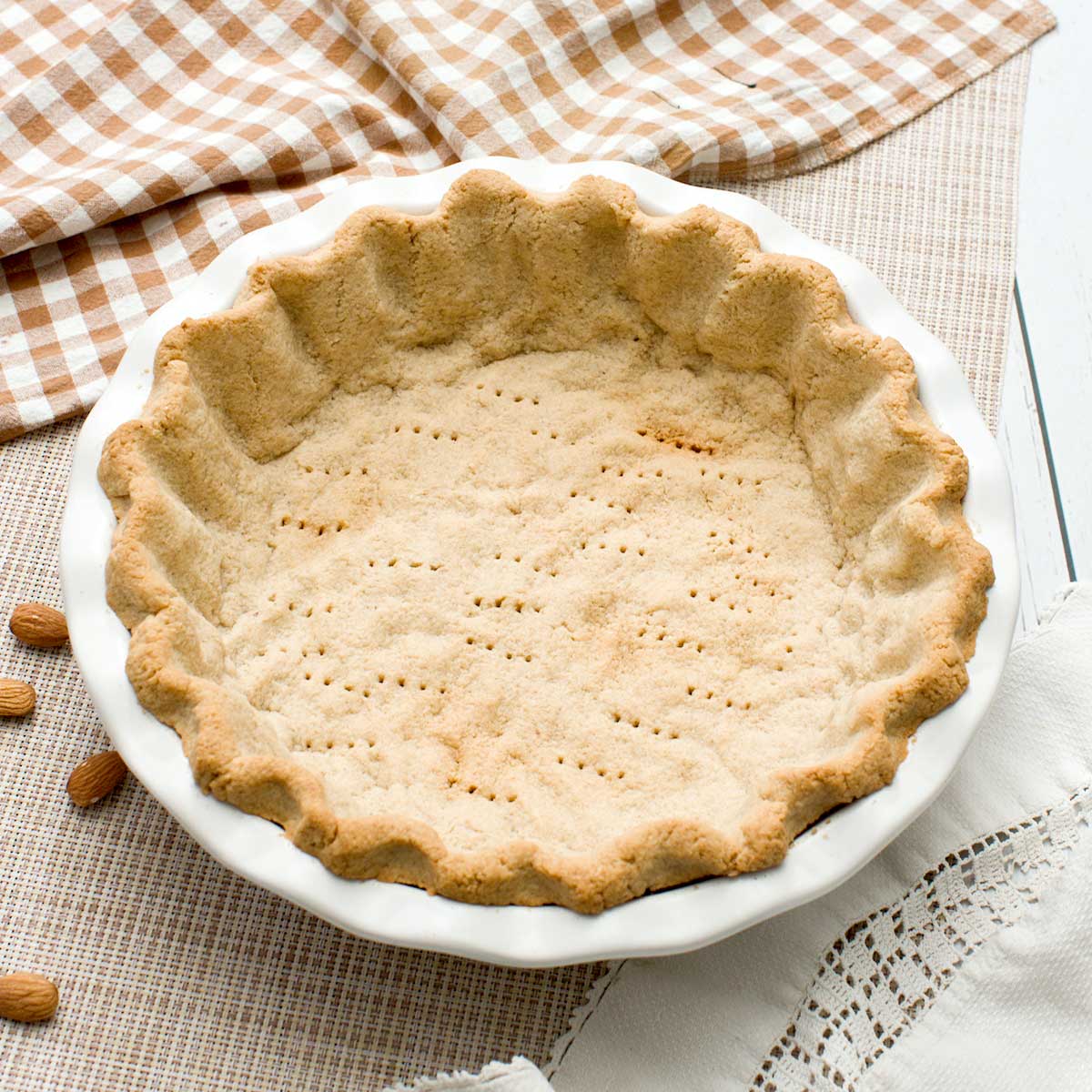
Unlock Effortless Baking with Our Easy Gluten-Free Almond Flour Pie Crust
Pie season, holiday gatherings, or simply a craving for a wholesome dessert no longer need to be a source of baking anxiety, especially if you're navigating gluten-free or low-carb dietary needs. Imagine a versatile almond flour pie crust that's light, buttery, and incredibly simple to make, requiring no tricky rolling pins or endless re-chilling. This revolutionary almond flour pie crust recipe is here to transform your baking, offering a no-fail, low-carb solution that works beautifully with virtually any pie filling you can dream of.
Gone are the days of wrestling with delicate dough or settling for store-bought options that don't meet your dietary preferences. Our easy gluten-free almond flour pie crust celebrates simplicity and deliciousness, proving that healthy eating doesn't mean sacrificing your favorite treats. With just a handful of ingredients and a completely forgiving, press-in method, you're about to discover your new go-to foundation for both sweet and savory masterpieces.
Why Almond Flour is Your Pie Crust Game Changer
For those committed to a gluten-free or low-carb lifestyle, finding a reliable and delicious pie crust can feel like a quest. Traditional wheat-based crusts are off-limits, and many gluten-free alternatives can be dense, crumbly, or challenging to work with. This is where almond flour steps in as a true culinary hero. Its fine texture and inherent richness create a crust that is not only naturally gluten-free and low in carbohydrates but also boasts a delightful lightness and buttery flavor profile that rivals its conventional counterparts.
The beauty of an almond flour pie crust extends far beyond its dietary benefits. It offers unparalleled versatility. Whether you're envisioning a classic autumn pumpkin pie, a decadent pecan pie, a vibrant fruit tart, or a hearty savory quiche for brunch, this crust forms the perfect, sturdy, yet tender base. Its subtle almond notes complement a wide range of fillings without overpowering them, allowing the true flavors of your pie to shine.
The Magic of a "No-Roll" Crust: Say Goodbye to Baking Stress
Perhaps one of the most celebrated features of this particular almond flour pie crust recipe is its utterly stress-free preparation method: no rolling required. For many home bakers, the rolling pin can be an instrument of dread, leading to cracked edges, sticky countertops, and frustrating tears in an otherwise perfect dough. This recipe completely bypasses that anxiety-inducing step.
Instead, the dough is mixed to a wonderfully pliable, "play-dough-like" consistency that you simply press directly into your pie dish with your hands. This tactile, forgiving approach means that if you accidentally create a hole or an uneven spot, you can just gently smush the dough back together and reform it. It's incredibly resilient and perfect for beginners and seasoned bakers alike who appreciate simplicity and ease. This hands-on method ensures a uniform thickness and a rustic, charming appeal that store-bought crusts simply can't replicate.
Crafting Your Easy Almond Flour Pie Crust: A Step-by-Step Guide
Making this foolproof almond flour pie crust couldn't be simpler, requiring only five core ingredients and a single bowl. This straightforward approach saves time and minimizes cleanup, making pie baking an absolute joy.
- Almond Flour: The star of our show. Ensure you use finely ground almond flour, not almond meal. The distinction is crucial for the crust's texture and structure. Almond flour is blanched and finely ground, creating a smoother, sturdier crumb. Almond meal, on the other hand, is coarser and would result in a more crumbly, less cohesive crust.
- Melted Butter (or Coconut Oil): Provides that essential rich, buttery flavor and helps bind the dough. For a dairy-free or vegan option, melted coconut oil works beautifully, maintaining the desired texture and richness.
- Sweetener: Coconut sugar is a popular choice for its lower glycemic index and caramel notes, making it ideal for low-carb recipes. However, you can easily substitute brown sugar for a richer flavor or white granulated sugar if you prefer, adjusting sweetness to your liking.
- Egg: Acts as a crucial binder, helping the crust hold together. If you're experimenting with vegan alternatives, proceed with caution. The original recipe hasn't been tested with flax eggs or other vegan egg substitutes, so results may vary. If you do try a substitute, we'd love to hear about your experience!
- Salt: A pinch of salt balances the sweetness and enhances all the other flavors, making the crust taste even more delicious.
Simple Steps to Pie Crust Perfection:
- Combine Ingredients: In a medium bowl, thoroughly mix all five ingredients until well incorporated. The dough should come together and be easy to handle, resembling a soft play-dough.
- Prepare Your Dish: Lightly grease your pie dish to prevent sticking and ensure easy removal of your finished pie.
- Press and Form: Transfer the dough into the greased pie dish. Using your hands, gently but firmly press the dough evenly into the bottom and up the sides of the dish. Don't be afraid to mold it; this dough is incredibly forgiving.
- Refine the Edges: Once the base and sides are formed, you can crimp and pinch the edges to create a decorative scalloped finish. For a more rustic look, a simple press with a fork along the rim also works.
- Pierce for Perfection: Before baking, pierce several holes in the bottom of the crust with a fork. This "docking" helps prevent the crust from puffing up during baking.
- Pre-Bake (if needed): For pies with very wet fillings or those that require a longer baking time (over 20-30 minutes), an initial pre-bake of about 10-12 minutes is recommended. This helps set the crust and prevents it from becoming soggy. Keep an eye on the edges, as almond flour tends to brown beautifully and sometimes quickly. You're now ready to fill and bake as your pie recipe requires!
Tips for Perfection and Preparation
This almond flour pie crust is remarkably adaptable, offering convenience for both impromptu baking and planned culinary endeavors. Here are some pro tips to ensure your crust is always a success:
- Making Ahead: Life gets busy, and sometimes you need to prep components in advance. This crust is perfect for that! Once you've pressed the dough into the pie dish and formed the edges (up to step 7 in many recipes), wrap it tightly in plastic wrap. It can be stored in the refrigerator overnight or frozen for up to two months. Freezing a pre-baked crust is also an option; simply allow it to thaw before filling.
- Baking Blind (Pre-baking): For recipes like quiches, custard pies, or those with very moist fillings, pre-baking your crust (also known as baking blind) is essential. It prevents a soggy bottom and ensures a crisp foundation. After forming and docking the crust, line it with parchment paper and fill with pie weights, dried beans, or rice. Bake for about 15 minutes, then remove the weights and parchment and bake for another 5-10 minutes, or until lightly golden. This initial bake helps the crust set firmly before your filling is added.
- Customizing Flavors: While delicious on its own, don't hesitate to infuse extra flavor into your crust. For sweet pies, a pinch of cinnamon, nutmeg, or even a tiny bit of almond extract can elevate the taste. For savory pies or quiches, consider adding dried herbs like rosemary or thyme, a touch of garlic powder, or a sprinkle of black pepper to the dough mixture.
- Even Browning: Almond flour browns more readily than wheat flour. If you notice the edges browning too quickly during a long bake, you can loosely tent the edges of the pie with aluminum foil to protect them while the center finishes cooking.
- Versatility is Key: Remember, this ingredient almond flour pie crust is your go-to for almost any pie. Whether it's a vibrant berry pie, a comforting chicken pot pie, or a delicate lemon tart, its robust structure and subtle flavor profile provide an ideal canvas. For those exploring specific dietary frameworks like Paleo or Vegan, be sure to also check out our foolproof almond flour pie crust: paleo & vegan-friendly option for more tailored guidance.
Beyond the Basics: Elevating Your Almond Flour Pie Crust
While the inherent simplicity of this almond flour pie crust is its greatest strength, there are always ways to take it a step further. Consider the thickness of your crust; you can press it thinner for a delicate base or slightly thicker for a heartier texture, adjusting baking times accordingly. For decorative flair beyond simple crimping, you could use small cookie cutters to create shapes from any leftover dough to adorn the top edge of your pie before baking.
Think about the types of fillings you choose. Because this crust is so forgiving and adaptable, it pairs beautifully with everything from rich, creamy fillings that benefit from a sturdy base to delicate fruit fillings where the crust provides a wonderful contrast in texture. Don't be afraid to experiment with your favorite fruit purees, chocolate ganaches, or savory vegetable mixtures. The possibilities are truly endless.
Embrace the ease and deliciousness of this easy gluten-free, low-carb almond flour pie crust. It’s a game-changer for anyone seeking a wholesome, convenient, and incredibly tasty foundation for their favorite pies and tarts. Say goodbye to complicated doughs and hello to stress-free baking that delights every palate.
