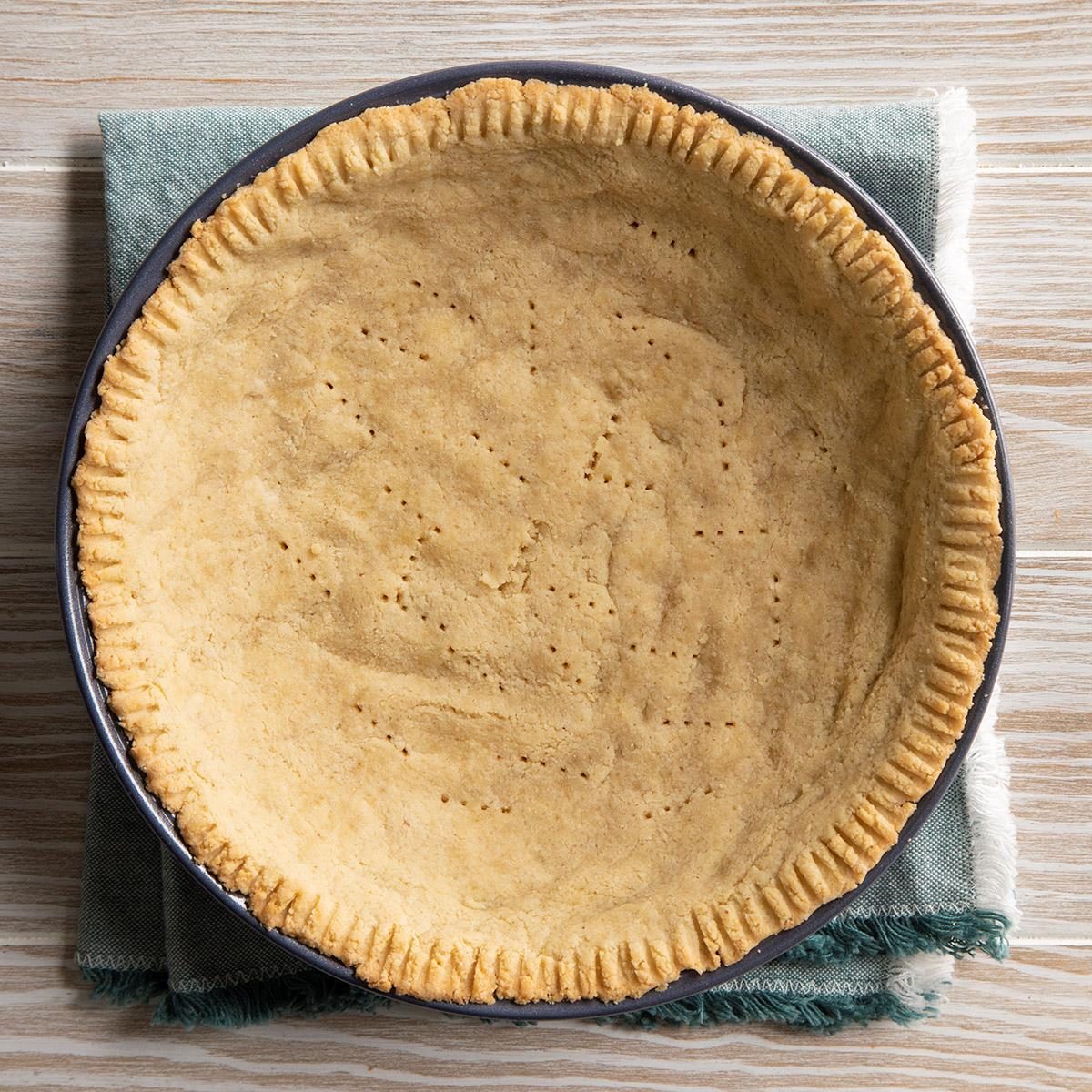
Unlocking the Secret to a Foolproof Almond Flour Pie Crust: Paleo & Vegan-Friendly Perfection
Pie season, holiday gatherings, or simply a craving for a comforting slice of deliciousness shouldn't be limited by dietary restrictions. If you're navigating a gluten-free, grain-free, low-carb, paleo, or vegan lifestyle, finding a truly reliable and delicious pie crust can feel like an endless quest. Fear not, because the answer lies in the remarkably versatile and forgiving world of
almond flour pie crust. This isn't just another specialty recipe; it’s a game-changer, offering a light, buttery texture and a subtly nutty flavor that perfectly complements any filling, sweet or savory.
Gone are the days of wrestling with temperamental doughs, endless rolling, or worrying about a cracked crust. This almond flour masterpiece is designed for simplicity, ease, and — most importantly — guaranteed success. Whether you're dreaming of a classic pumpkin pie, a rich pecan pie, or a hearty quiche for brunch, this crust forms the perfect, wholesome foundation. It's so user-friendly, it’s practically foolproof, making pie-making an enjoyable experience rather than a stressful endeavor.
Why Almond Flour is Your New Pie Crust MVP
Choosing the right flour is fundamental to any baking project, and for those seeking a healthier, allergen-friendly alternative, almond flour stands out as a true champion. Unlike traditional wheat flours, almond flour is naturally
gluten-free and
grain-free, making it ideal for celiac disease sufferers, those with gluten sensitivities, or anyone following paleo or ketogenic diets. But its benefits extend far beyond just being an allergen-friendly option.
Firstly, almond flour boasts an impressive nutritional profile. It's low in carbohydrates, high in healthy monounsaturated fats, and a good source of protein and fiber. This means your pie crust isn't just a vehicle for delicious fillings; it contributes valuable nutrients and helps you feel more satisfied.
Secondly, the texture almond flour imparts is genuinely special. Finely ground from blanched almonds, it creates a "sturdier, denser crumb" compared to coarser flours or almond meal. This fine texture translates into a wonderfully light and tender crust that doesn't become overly dry or crumbly. It has a delicate, buttery quality and a natural sweetness that enhances both sweet and savory applications without overwhelming the other flavors.
It's crucial to note the distinction between
almond flour and
almond meal. While both are derived from ground almonds, they are not interchangeable in this recipe. Almond flour is made from blanched, skinless almonds ground to a very fine consistency, resulting in a light color and smooth texture. Almond meal, on the other hand, is made from unblanched almonds with the skins on, yielding a coarser, more rustic texture and a darker appearance. For the structural integrity and desired texture of this foolproof pie crust,
almond flour is essential. Its fine grind provides the necessary binding and delicate crumb that allows it to effectively replace traditional flours, ensuring your crust holds together beautifully.
The Foolproof Method: Simple Steps to Pie Crust Perfection
One of the most appealing aspects of this
almond flour pie crust is its astonishing simplicity. Forget the complex techniques of rolling, chilling, and patching; this recipe embraces a hands-on, no-fuss approach that delivers incredible results every time. In fact, it typically requires just five core ingredients, often mixed in a single bowl.
Here's a breakdown of the incredibly easy process:
1.
Gather Your Ingredients: You'll typically need fine-blanched almond flour, a fat source (like vegan butter or coconut oil), a sweetener (coconut sugar, brown sugar, or even a granulated sugar-free alternative), a binder (often an egg, though we'll discuss vegan options), and a pinch of salt to balance the flavors.
2.
Mix It Up: Combine all your ingredients in a medium-sized bowl. Stir or mix until everything is thoroughly incorporated and the dough begins to come together. It might look a little crumbly at first, but with a bit of pressing, it will form a cohesive dough.
3.
Press into Place: This is where the magic happens – no rolling pin required! Transfer the dough directly into a greased pie dish. Using your hands, firmly press the dough evenly into the bottom and up the sides of the pie dish. The dough has a delightful "play dough" kind of consistency, making it incredibly forgiving. If you accidentally tear a hole, simply "smush everything together and reform it" – it’s that easy!
4.
Shape and Finish: For an attractive presentation, use your fingers to crimp and pinch the edges, creating a rustic, scalloped look. Then, gently pierce holes in the bottom of the crust with a fork. This helps prevent puffing during baking and ensures an even cook.
5.
Pre-Bake (Blind Bake) if Needed: If your pie filling requires a long baking time (over 20 minutes) or if you're making a no-bake pie, a quick pre-bake is recommended. Bake the crust initially for only about 10-12 minutes. This helps set the crust and prevents it from becoming soggy once the filling is added, especially for wetter fillings like quiches or custards. The edges will continue to brown nicely during the main bake.
That’s it! With just a few simple steps, you have a perfect pie crust ready for any filling your heart desires. For more detailed instructions on achieving a perfectly pressed, low-carb crust every time, explore our guide on
Easy Gluten-Free Almond Flour Pie Crust: No Rolling, Low Carb.
Paleo & Vegan Adaptations: Making It Work for Every Diet
The beauty of this
almond flour pie crust lies in its inherent flexibility, making it incredibly adaptable for various dietary needs, including paleo and vegan lifestyles. While the basic recipe often calls for butter and an egg, thoughtful substitutions can easily transform it.
*
For a Vegan Crust:
*
Fat: Swap out dairy butter for a high-quality vegan butter stick or refined coconut oil. Both provide the necessary fat content and can contribute to a lovely "buttery" flavor and tender texture.
*
Binder: The egg is often the trickiest part for vegan adaptations. While some recipes haven't formally tested it, a
flax egg (1 tablespoon ground flaxseed meal mixed with 3 tablespoons water, allowed to sit for 5 minutes until gelled) is a common and often successful substitute for a single egg in pressed crusts. Other options might include a small amount of unsweetened applesauce (start with 1-2 tablespoons and adjust consistency) or commercial vegan egg replacers, following package instructions. The key is to achieve a dough that holds together without being too wet or too crumbly. If you do experiment, remember to adjust the liquid very gradually.
*
For a Paleo Crust:
*
Fat: Ghee (clarified butter) is a popular choice for paleo, as it’s dairy-free. Coconut oil is also an excellent paleo-friendly fat that works beautifully.
*
Sweetener: Coconut sugar is inherently paleo-friendly, offering a caramel-like sweetness without being overly refined. You could also experiment with a small amount of maple sugar or even a sugar-free, paleo-approved sweetener like erythritol or monk fruit blend for a lower-carb option, ensuring it’s granulated to maintain dough consistency.
*
Binder: A pastured egg aligns perfectly with paleo principles.
When making substitutions, especially with the binder, pay close attention to the dough's consistency. It should be pliable enough to press without cracking excessively, yet not so sticky that it’s difficult to handle. Don't be afraid to adjust tiny amounts of liquid or flour until you reach that ideal "play dough" texture. This inherent versatility makes it possible to create a wholesome, allergy-friendly base for virtually any pie you can imagine. Discover more about crafting a crust that suits any filling in our article:
Ingredient Almond Flour Pie Crust: Versatile for Any Pie & Quiche.
Tips for Success & Troubleshooting Your Almond Flour Pie Crust
Even with a foolproof recipe, a few insider tips can elevate your
almond flour pie crust from good to truly spectacular.
*
Chill Your Ingredients: While not strictly necessary for mixing, using cold fat (vegan butter or solid coconut oil) can help create a flakier texture, similar to traditional pie crusts.
*
Don't Overmix: Mix until just combined. Overworking the dough can sometimes lead to a tougher crust, though almond flour is generally more forgiving than wheat flour in this regard.
*
Press Evenly: Ensure the thickness of your crust is consistent across the bottom and up the sides of the pie dish. This promotes even baking and prevents thin spots from burning or thick spots from being undercooked.
*
Making Ahead: This crust is fantastic for meal prep! You can prepare the dough through the pressing step, wrap the pie dish tightly in plastic wrap, and refrigerate it overnight. For longer storage, you can freeze the unbaked crust for up to two months. Just be sure to wrap it meticulously to prevent freezer burn. Alternatively, you can pre-bake the crust and freeze the naked, fully baked shell for later use – just thaw and fill!
*
Preventing a Soggy Bottom: Beyond pre-baking, ensure your pie dish is adequately greased, and consider using a pie shield or aluminum foil around the crimped edges if they start to brown too quickly during the main bake.
*
Troubleshooting Consistency:
*
Too Crumbly? If your dough isn't coming together, add a tiny splash of water (or plant milk for vegan) at a time, mixing until it reaches the right consistency.
*
Too Sticky? If it's overly sticky, add a teaspoon or two of almond flour until it's easier to handle.
*
Adjusting Sweetness: The amount of sweetener can be adjusted based on your filling. For very sweet pies, you might reduce the sugar in the crust. For savory pies, you might use very little or none at all, relying on the natural sweetness of almond flour.
Conclusion
Embracing an
almond flour pie crust is more than just making a dietary switch; it’s about discovering a simpler, more satisfying way to enjoy one of life's great culinary pleasures. Its foolproof nature, incredible versatility, and inherent health benefits make it an indispensable recipe for anyone seeking a delicious, reliable, and adaptable pie base. No longer do you have to compromise on flavor or texture when adhering to paleo, vegan, gluten-free, or low-carb principles. So, whether you're a seasoned baker or a kitchen novice, dive into the world of almond flour pie crusts and prepare to impress yourself and your loved ones with perfectly baked pies and quiches, effortlessly. It’s time to enjoy pie season without limits!